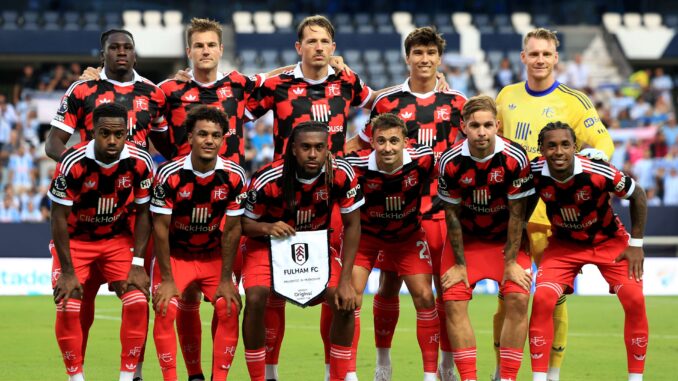
Fulham are performing somewhat better than their low league position suggests, though their lack of a clinical edge and struggles with late goals remain a major issue.
Key Factors Behind Fulham’s Season
• Tough Opening Fixtures: New head coach Alvaro Arbeloa faced a brutal start against heavyweights like Chelsea, Liverpool, Manchester United, and Crystal Palace, which heavily skewed their early point total.
• Late Goal Vulnerability: Arbeloa’s side has conceded goals in the final 15 minutes of a majority of their matches, dropping points from winning or drawing positions (such as the late equalizer against Manchester United and a 2-1 defeat to Ipswich Town).
• Positive Underlying Play: Performances against top sides—including draws at Anfield against Liverpool and at home against Manchester United—showed that Fulham play attractive, high-press football with bright spots like 19-year-old Josh King and midfielder Alex Iwobi.
• Defensive Adjustments: Bringing in center-back David Affengruber helped stabilize the backline in transition, yet the team remains winless and under growing pressure to convert good spells of play into results.
Fulham’s start to the 2026/27 Premier League season under Álvaro Arbeloa has been a challenging affair. Despite showing positive patches of play—such as recent competitive performances—late defensive lapses and a lack of killer instinct have left the Cottagers searching for their first league win.
Upcoming Fixtures (October 2026)
If you are tracking how the schedule shapes up for Álvaro Arbeloa’s side, here are Fulham’s upcoming matches for the rest of October:
| Date | Opponent | Competition | Venue |
| October 17, 2026 | Hull City | Premier League | Craven Cottage (Home) |
| October 24, 2026 | Coventry City | Premier League | Coventry Building Society Arena (Away) |
| October 28, 2026 | Crystal Palace | EFL Cup (Fourth Round) | Craven Cottage (Home) |
| October 31, 2026 | Aston Villa | Premier League | Villa Park (Away) |
Tactical & Second-Half Analysis
A major talking point surrounding Arbeloa’s early tenure has been Fulham’s vulnerability as matches wind down. The recent 2-1 defeat to Ipswich Town is a prime example: Ryan Sessegnon had given the Cottagers a 54th-minute lead, only for the team to concede late goals in the 88th and 91st minutes and snatch defeat from the jaws of victory.
While Arbeloa has tried to inject
structural control and fluid movement in possession—often utilizing a 4-2-3-1 setup that brings out strong moments from wide areas and midfield runners—the team’s structural resilience in the second half of matches remains a glaring issue. Defensive lapses during set pieces, crosses, and second balls have repeatedly cost them points after they have done the hard work of getting ahead.
With a favorable block of fixtures ahead, can Arbeloa tighten up Fulham’s game management to convert these promising performances into wins?

Be the first to comment