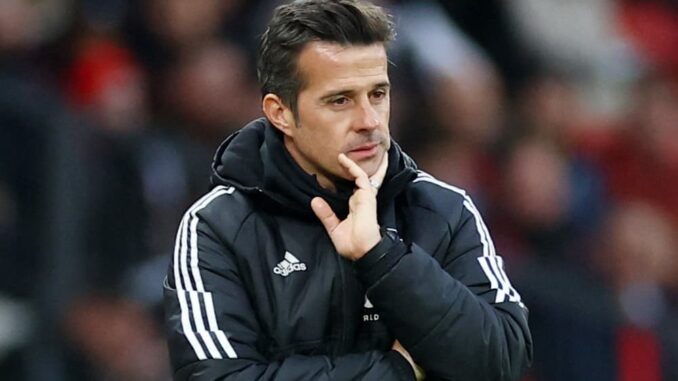
Football managers are judged faster than ever before. One poor run of form, a tactical mistake, or a disappointing result can completely shift fan opinion overnight. At Fulham, Marco Silva has experienced both sides of that reality. One moment he is praised for transforming the club into a competitive Premier League side, and the next, sections of supporters question his tactics, substitutions, and long-term suitability.
Yet despite criticism from some fans, Silva continues to attract interest from major European clubs. That raises an important question: if Marco Silva is truly as ineffective as some critics suggest, why are respected clubs across Europe still monitoring him so closely?
The answer lies in understanding the difference between emotional fan reactions and how professional football clubs evaluate managers.
Marco Silva’s Reputation in European Football
Within football circles, Marco Silva remains highly respected. His coaching career has included spells in Portugal, Greece, England, and the Premier League — one of the most demanding environments in world football.
While supporters often focus only on recent results, club executives and sporting directors look at broader indicators:
* Squad improvement
* Tactical identity
* Player development
* Budget efficiency
* Long-term competitiveness
By those standards, Silva’s work at Fulham has been impressive.
When he arrived at Craven Cottage, Fulham were still struggling with the reputation of being a “yo-yo club” — a team capable of promotion but unable to survive comfortably in the Premier League. Silva changed that perception quickly.
He rebuilt confidence, implemented a clear attacking system, and turned Fulham into a side capable of competing with established Premier League teams.
That level of transformation does not go unnoticed in Europe.

The Fulham Transformation Under Marco Silva
One of the biggest reasons European clubs admire Silva is his ability to improve teams structurally.
Under previous managers, Fulham often appeared reactive and vulnerable defensively. Silva introduced:
• Better organization
• Faster attacking transitions
• Improved pressing structure
• Stronger midfield balance
• Greater tactical flexibility
Most importantly, Fulham developed a clear football identity.
Modern football clubs value managers who can implement systems rather than rely solely on individual talent. Silva has consistently shown that ability throughout his career.
Even during difficult periods, Fulham rarely look directionless. That is a sign of coaching quality.
Why Fans Often Turn on Managers Quickly
Football fandom is emotional by nature. Results shape narratives immediately.
When a team loses consecutive matches, frustrations rise quickly:
• Team selection gets questioned
• Substitutions are criticized
• Tactics are blamed
Player performances become linked to managerial decisions
This is not unique to Fulham or Marco Silva. Nearly every Premier League manager faces the same cycle.
However, there is often a gap between fan expectations and club reality.
Some supporters judge Silva as though Fulham should consistently challenge for European football. While ambition is important, squad depth and financial resources still matter enormously in the Premier League.
Compared to clubs around them, Fulham’s resources remain relatively limited. Silva has often managed to maximize performance levels despite those limitations.
That context matters to European clubs evaluating his work.

Big Clubs Look Beyond Social Media Opinions
One of the biggest misconceptions in modern football discourse is believing online criticism reflects professional football opinion.
It does not.
Sporting directors and club owners analyze:
• Tactical systems
• Match preparation
• Player improvement
• Recruitment collaboration
• Dressing room management
• Adaptability under pressure
Marco Silva scores highly in many of these areas.
His teams are usually:
> Well-drilled
> Organized in possession
> Dangerous in transition
> Competitive against stronger opponents(A perfect example is the 9-goals thriller against City)
Even when results fluctuate, the underlying structure often remains strong.
That consistency is why larger clubs continue monitoring him.
Silva’s Premier League Experience Adds Huge Value
Experience in the Premier League carries enormous weight across Europe.
Managing successfully in England’s top division requires:
• Tactical adaptability
• Man-management skills
• Media handling
• Coping with fixture congestion
Competing against elite managers weekly
Silva has gained years of experience in that environment.
Many European clubs prefer managers who have already proven they can operate under intense pressure. Silva fits that profile.
His ability to stabilize Fulham while maintaining an attacking philosophy makes him particularly attractive to clubs seeking progressive football without sacrificing competitiveness.
Fulham’s Squad Depth Issues Are Often Overlooked
Criticism of Silva sometimes ignores the limitations within Fulham’s squad.
Over the course of a long season:
• Injuries accumulate
• Fatigue affects performance
• Rotation weakens quality
• Momentum becomes difficult to sustain
Compared to clubs competing for European places, Fulham’s squad depth remains a challenge.
This is where perspective becomes important.
Some fans judge Silva solely based on results, while football professionals evaluate whether he is overachieving relative to available resources.
In many ways, Silva has elevated Fulham beyond external expectations.
That is exactly the type of achievement ambitious European clubs notice.
Tactical Flexibility Makes Silva Attractive
Another major reason Silva remains in demand is his tactical flexibility.
Modern football increasingly requires managers who can adapt quickly depending on:
• Opposition quality
• Injuries
• Player availability
• Different competitions
Silva has demonstrated multiple tactical approaches throughout his managerial career:
• Possession-based football
• Counter-attacking setups
• High pressing systems
• Compact defensive structures
That versatility appeals to clubs operating in competitive European leagues where adaptability is essential.
Managers who are rigid often struggle long term. Silva has shown he can evolve.
Player Development Matters Too
Top clubs also value managers who improve players.
At Fulham, several players have elevated their performances significantly under Silva’s guidance. Improved structure and tactical clarity have helped individuals become more effective and confident.
Player development is critical because:
• It increases squad value
• Improves recruitment success
• Supports long-term sustainability
Silva’s ability to improve players while maintaining team competitiveness strengthens his reputation considerably.
The Reality of Managing Outside the Elite
There is also a broader football truth many supporters overlook:
Not every manager works with elite-level squads.
Managers outside the traditional “Big Six” often operate with:
• Smaller budgets
• Reduced squad depth
• Lower wage structures
• Less margin for error
Yet expectations from fans continue rising.
Silva’s ability to keep Fulham competitive in that environment deserves recognition, even if performances occasionally dip.
European clubs understand how difficult that balancing act can be.
Why European Clubs Continue Watching Marco Silva
The interest from larger European clubs is not accidental.
They see a manager who:
• Builds clear systems
• Improves teams structurally
• Handles Premier League pressure
• Develops players
• Maximizes available resources
• Maintains competitive football styles
Those qualities are valuable at every level of the modern game.
While fan criticism may dominate social media discussions after disappointing results, professional football decision-makers take a much wider view.
That wider view explains why Marco Silva remains respected across Europe.
Final Thoughts
Marco Silva may divide opinion among sections of Fulham supporters, but the continued interest from major European clubs tells its own story.
Football professionals are not evaluating him based on one bad result or temporary dip in form. They are assessing years of coaching work, tactical development, player improvement, and competitive consistency.
No manager is perfect, and Silva certainly has areas critics can debate. But the idea that he is a poor manager simply does not align with how he is viewed across European football.
In the end, reputation inside the game matters more than online frustration.
And right now, Marco Silva’s reputation within football remains strong.

Be the first to comment